The LUMIX S 20mm f2.5
On the 16th of September 2026 LUMIX announced a small, compact, wide-angle, full-frame, prime lens… the LUMIX S 20mm f2.5
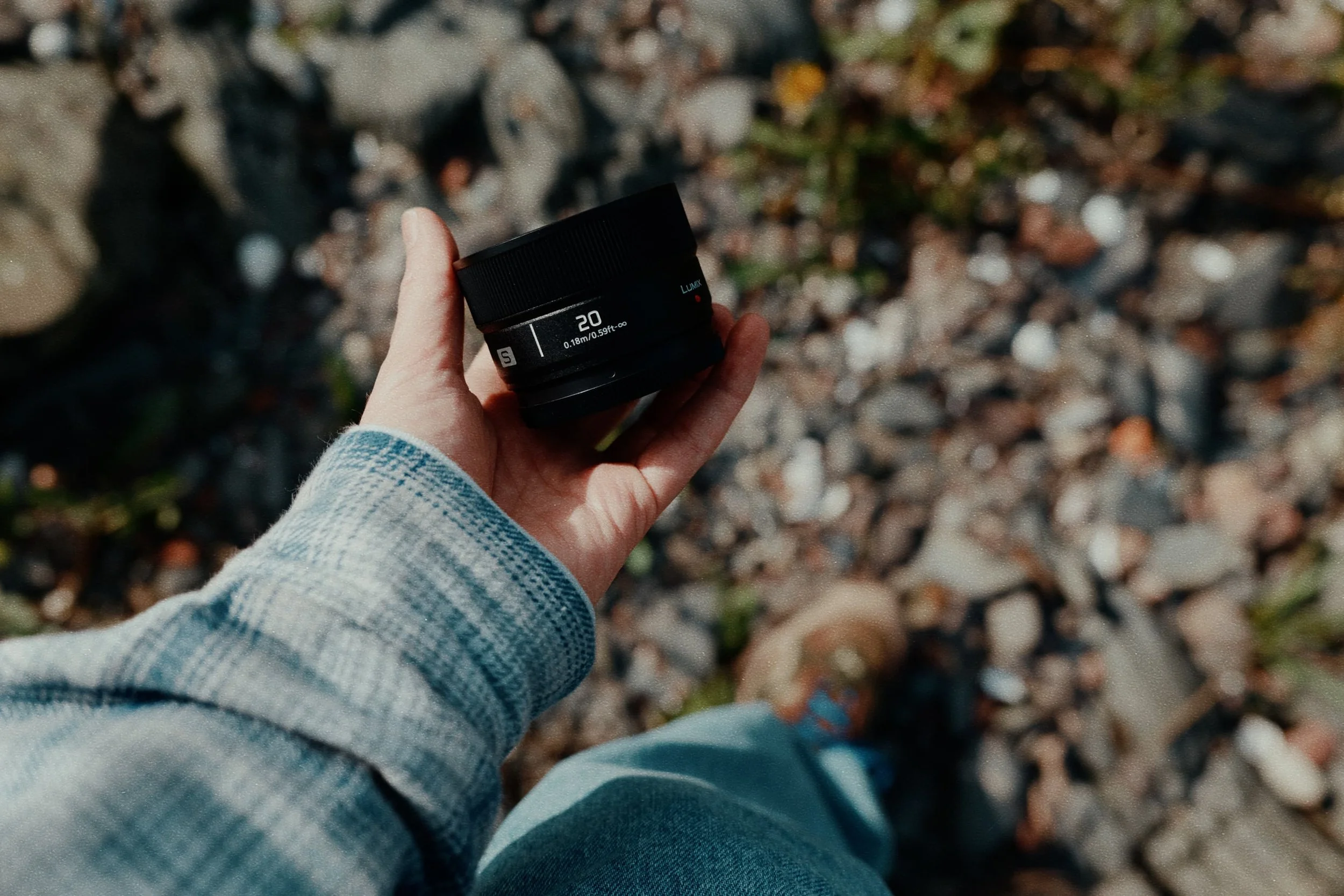
They sent me a copy of the lens a couple weeks beforehand to test out. Initially I was blown away with how small they managed to get it. It’s the same size as the 40mm which was released earlier in the year (which is tiny) but I think with this new lens being a wide angle, the small size is even more impressive.
I took the lens out of the box and instantly attached it to my LUMIX S9. Here are some of my thoughts about this new lens after shooting with it for a few weeks…
THE PROS
Weight & Size
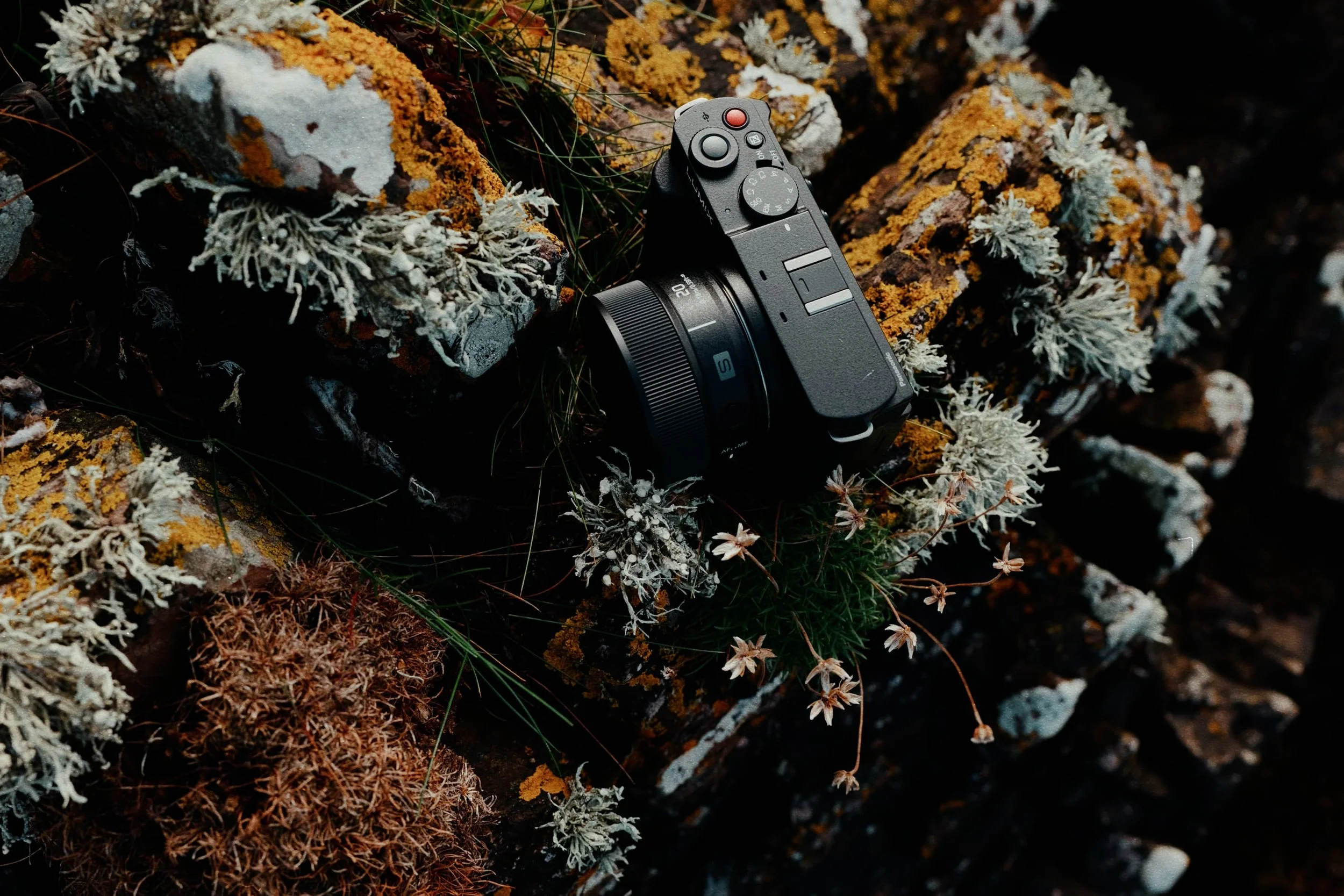
Okay. Maybe the best thing this lens has going for it is the size and weight. It’s absolutely tiny. Like so small you could fit it in your pocket (although you probably wouldn’t want to). It feels such a great size on the LUMIX S9, like they were made for each other.
Autofocus
As it’s a native lens and part of the LUMIX system, the AF is like spot on for both photography and video! It’s quick, quiet and really reliable. I think maybe one photograph in two weeks I missed focus with and that’s incredible considering wide angle lenses traditionally struggle with autofocus.
Button
Just like the 40mm that came earlier this year, this lens has a little button on it which you can set in the camera to do basically whatever you want. As not all of my lenses have this feature, I tend to turn it OFF so I don’t end up using it, relying on it, then missing it when not shooting with a lens like this that does have it. I can see why some people who have less gear (maybe just this and the 40mm) would love having an extra function button on the lens. If I was to use it, I’d probably set it to turn ON Subject Detection.
THE CONS
No Lens Hood
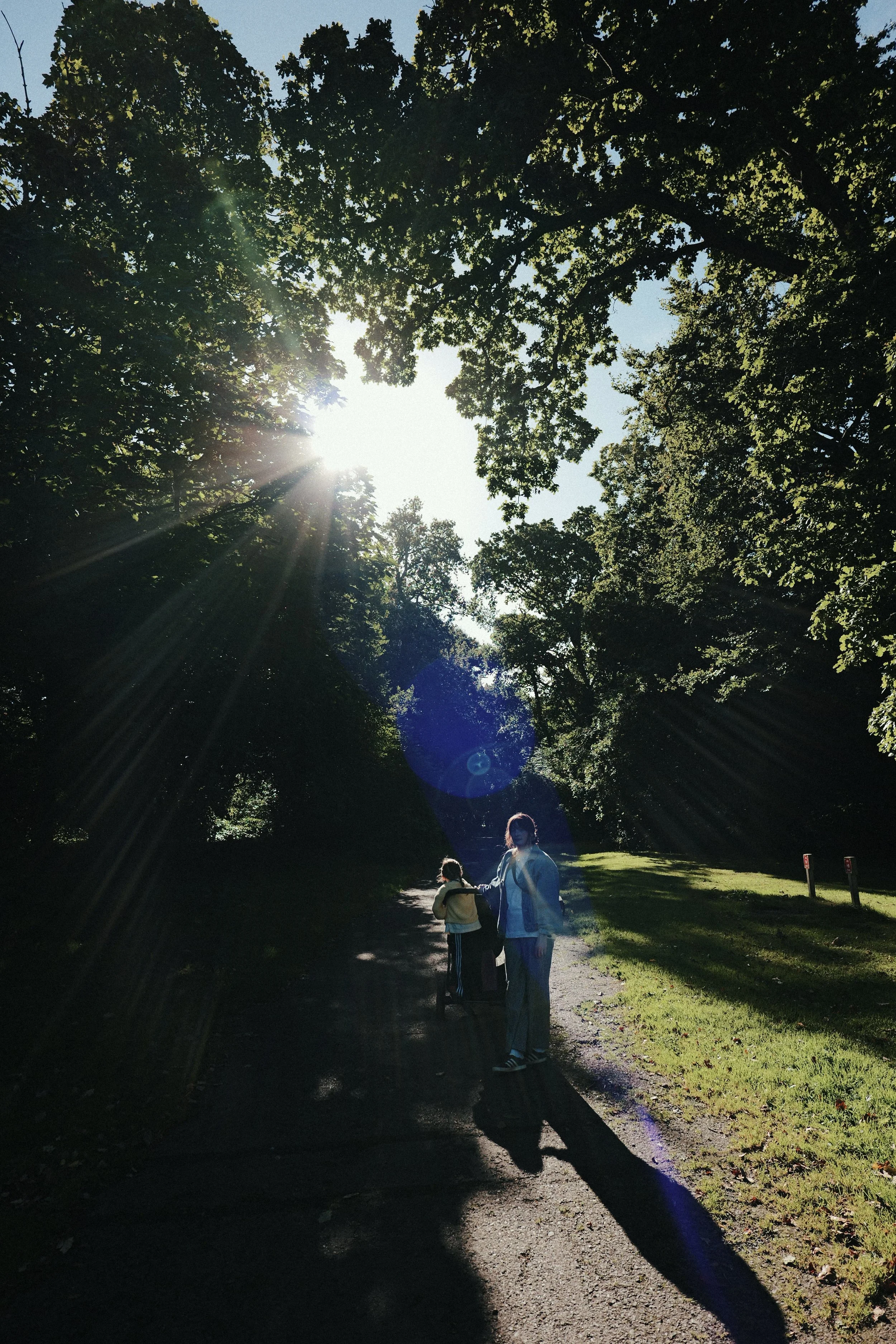
I live in Ireland where it rains nearly every day, so having a lens with a hood is super beneficial to me to protect my glass from getting covered in rain. Unfortunately this LUMIX lens (yet again) doesn’t come with a lens hood which means not only is your lens not protected against rain, it also becomes quite susceptible to flaring. I don’t usually care too much about flaring, I actually enjoy the odd flare. My first tests with this lens were on a particularly sunny day and I found there to be quite a lot of flaring, especially when the sun was shining through the trees. Some flares were quite nice, but others were not. I kept seeing a big blue ball in the middle of my frame which I must say, I was a bit disappointed with. See below…
Material
To keep this lens light, just like the 18-40 and the 40mm before it, it’s made of plastic… a pretty decent plastic (thanks LUMIX) but aesthetically it still looks like a plastic lens.
Aperture Ring & Vignette
There’s no aperture ring which for some people is a must. I personally don’t mind not having an aperture ring but something I do hate is vignetting… and there is a vignette shot wide open with this lens. Even with Vignette Compensation turned ON. It starts to clean up about f/4.5 something like that, but expect a vignette when shooting with this lens.
Barrel Distortion
LUMIX cameras do a great job at automatically correcting lens distortion which is welcomed (by me) with most focal lengths. If you’ve used wide angles before, especially anything wider than 24mm, you’ll know that the wider you go the more the edges of your image start to bend. It’s called barrel distortion and LUMIX cameras try to fix it but this is my biggest issue with this lens I think.
I would prefer that my camera didn’t try correct the edges of my image for me, because in doing so the camera stretches the edges to make it look like there is no barrel distortion, meaning that any subject shot not in the middle of the frame gets super stretched too! I really dislike it, especially if you’re shooting photographs of a group of people. No one wants an image of their face super stretched out at the sides. I first discovered this issue when shooting photographs of guests on the dancefloor at weddings with my LUMIX S 18mm f1.8 and it’s the same issue here with this new 20mm.
If you shoot RAW images, you can use something like Lightroom and turn the lens distortion correction off/on to suit your preference. But when shooting JPEGs, inside my LUMIX camera there is currently no way to turn this automatic correction off. Please please please LUMIX can you give us this option?
See an example below of how different the images looks with the lens Profile Correction turned ON/OFF in Lightroom. Look how stretched the balls get at the edges of the frame with the Profile Correction turned ON…


Price
This lens was announced at £429/$499 for a lot of people is a lot of money. I asked the LUMIX community on Reddit who will be ordering one and the answer was a resounding “maybe when the price lowers”. What do you think of the price?
Conclusion
I think all in all this little lens is great for what it is… but what it is, is maybe quite niche. It’s a great Vlogging lens but are Vloggers going to pay that price? It’s got brilliant AF performance and image quality (lens correction aside) but who really needs a 20mm lens for photography? Architecture maybe, skateboarding maybe, every day life maybe. For most other things it’s maybe a little too wide.
I appreciate the direction LUMIX is taking with these small, compact primes… but like so many others I’d be more excited for something maybe on the longer side, and definitely excited for something like a 28mm with the same form factor as this 20mm f2.5.
If you have any questions about this the new LUMIX S 20mm f2.5 get in touch and I’ll try my best to answer it. What do you think of this new small, native, wide-angle prime lens from LUMIX? Let me know if you end up getting one. Here’s a quick video I made about this lens including some example images I shot on my first couple of weeks with it…
Enjoyed this post? Why not drop a little something in the ‘Tip Jar’ below as a way of saying thanks! It would be massively appreciated…