Why I’m Benching Fujifilm and What I’m Replacing It With…
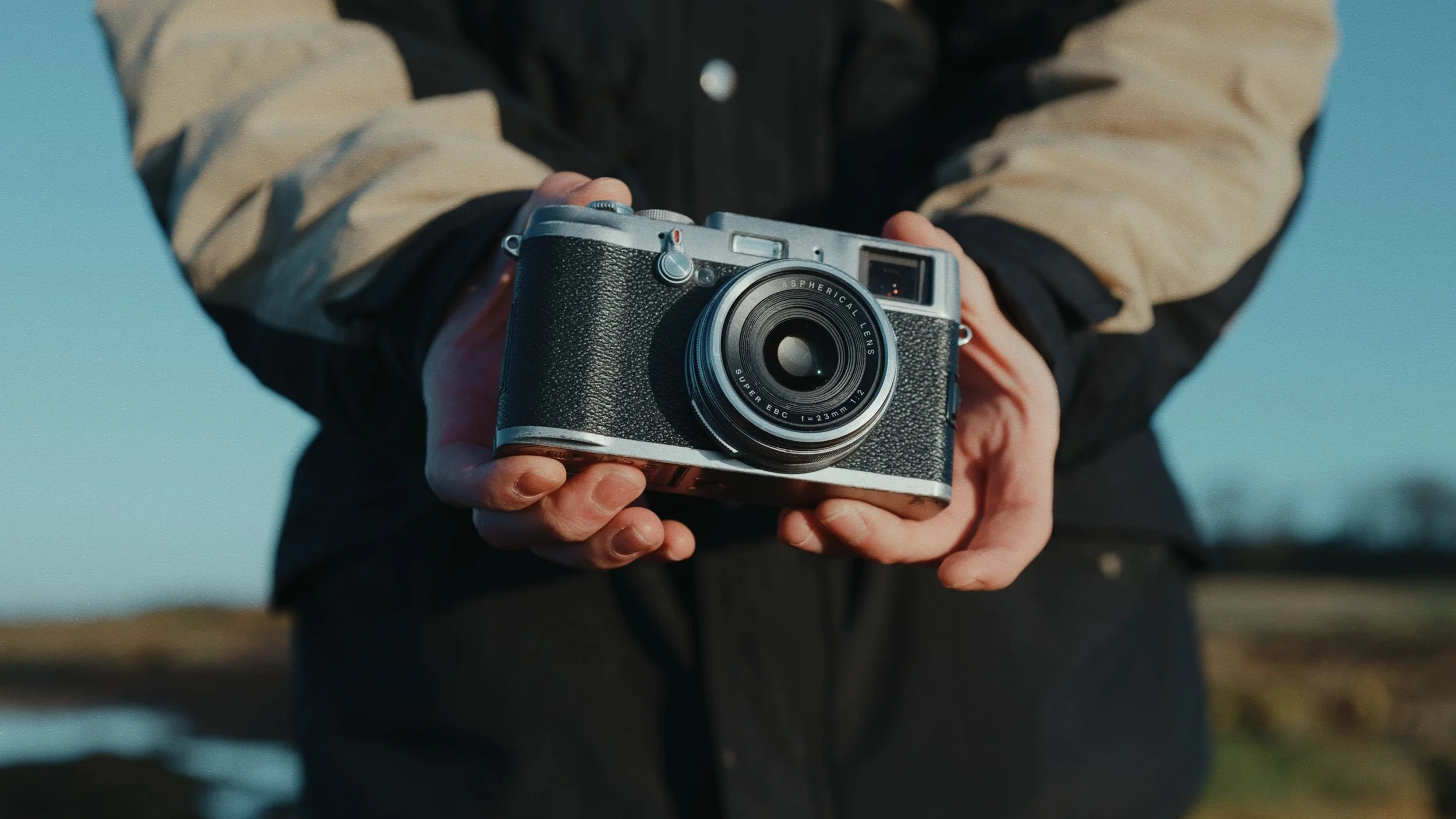
I owe a fair bit to Fujifilm. The tactile nature of their cameras, and the ability to get cool looking JPEGs straight out the camera are two things that helped me fall back in love with photography. You can check out all of the recipes I’ve made using the button below…
Recently however I’ve been branching out past what Fujifilm cameras are capable of and feeling a little restricted any time I use one. I have finally decided the time has come to send Fujifilm to the bench in exchange for another, bigger, smarter, camera that gives me everything my Fujifilm camera did, and much more. Let me outline the three main reasons why I’m sending Fuji to the bench… and then tackle how it’s replacement fulfils all of my annoyances.
Reason One (Sensor Size)
The first thing that annoys me about shooting with my Fujifilm camera, is the smaller sensor size. If you’ve only ever shot with smaller sensor like APS-C or MFT I guarantee that when you use a full-frame camera, you’ll love the images. It’s a hard thing to put your finger on, maybe the depth or separation with full-frame, it’s just lovely and makes it hard to go back.
That being said smaller sensors definitely have their place – they are usually found in smaller camera bodies, smaller sensors mean smaller lenses, but personally I’m just a fan of the full frame look and feel.
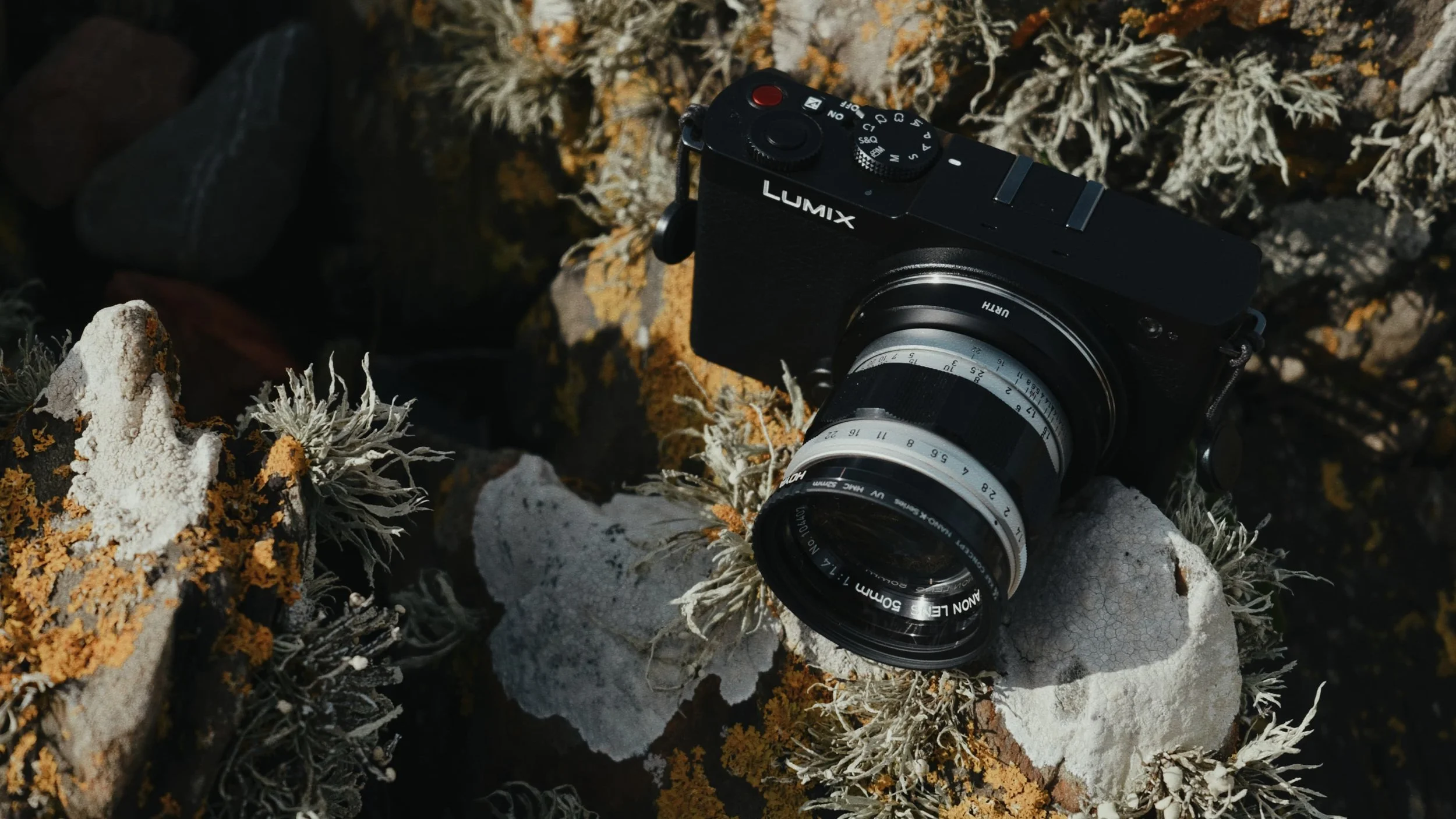
Something else I love doing is shooting with vintage lenses for their character, a lot of which can often be found right at the edges of the image. When using a vintage, or any full frame lens with a smaller sensor, you lose the edges and therefore the character. I think only once or twice did I ever shoot with a vintage lens on my Fujifilm camera. Here’s an image of a vintage lens on my LUMIX S9 which I’ve shot with way more due to the full-frame sensor…
Reason Two (Jpeg Restrictions)
Reason number two why I’m choosing to bench my Fujifilm camera is that I now feel restricted by the Film Simulations inside the camera. The built-in Film Simulations are one of the main draws for people to Fujifilm cameras, they were for me…
But now after using my LUMIX camera and being able to design LUTs from scratch, import 39 at any one time, adjust their opacity, stack them, and shoot… the handful of Film Simulations provided in a Fujifilm seem miniscule in comparison.
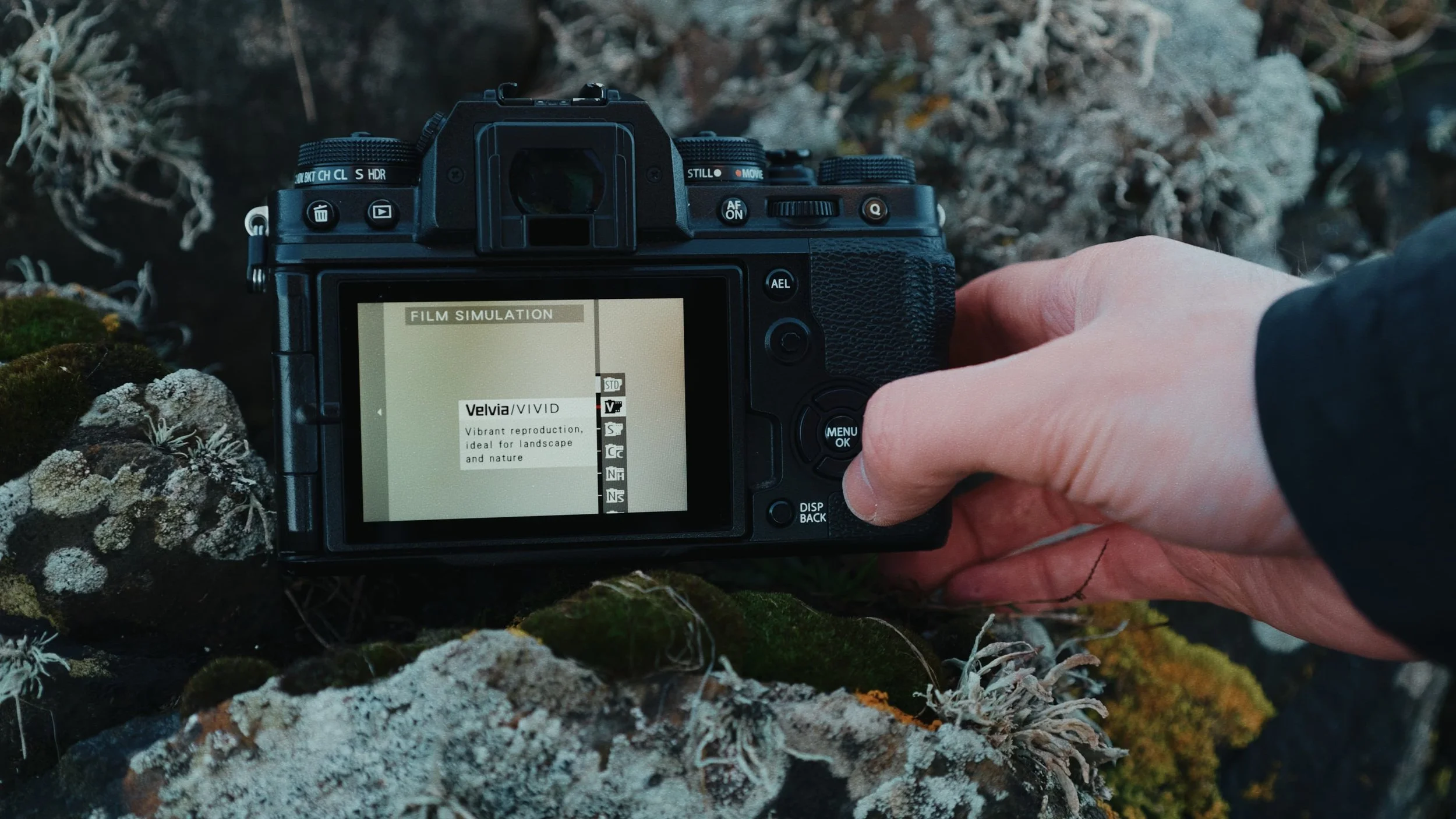
And you can never change them, the few that you get in your camera are the only ones you’ll ever be able to use. Sure you can adjust the White Balance and darken the Shadow setting or whatever but you can’t add say blue to the shadows, or specifically change the yellow tone to more gold you know?
I’ve designed lots of recipes for Fujifilm cameras, but realistically there are only so much you can do with a few pre-loaded Film Simulations and a few setting tweaks.
Reason Three (Clarity Processing)
One of the main settings you can use in a Fujifilm camera to change the feel of a recipe is the Clarity setting – but if you’ve ever used a Fujifilm camera and shot with a recipe with + or – Clarity, you’ll know what it does to shooting experience. This is reason three why I’m benching Fujifilm, and it might seem small, but I’m so fed up with it. If you don’t know what I’m talking about, when shooting JPEGs with a recipe with + or – Clarity, the camera take about 3 seconds to “process” your image.
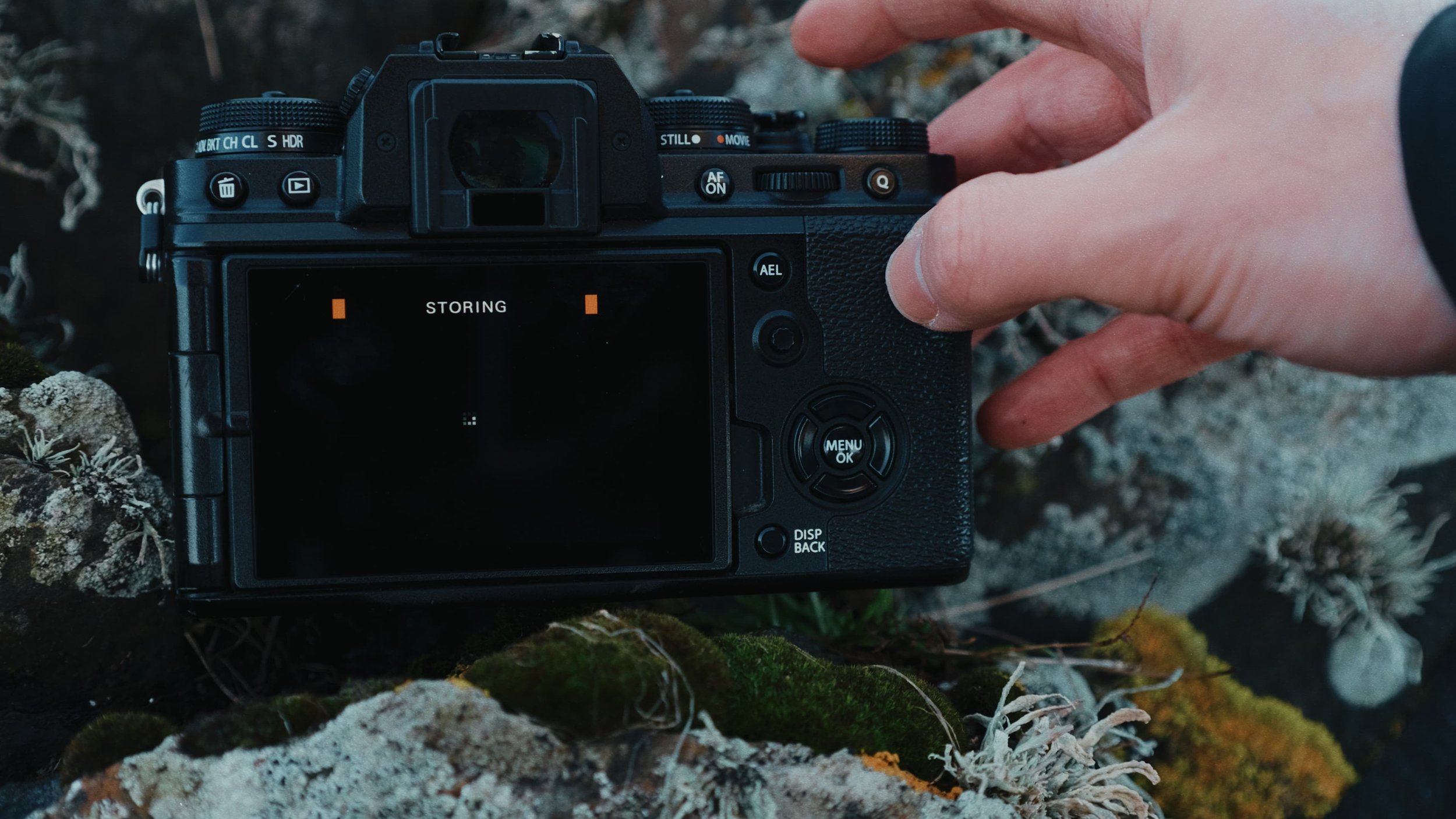
Surely by now they can figure out a way to let the camera do this in the background and just let you keep shooting. Having your camera freeze for a few seconds while is saves your image just pulls you right out of what you’re shooting, and for me is a real nuisance. So much so most of the recent recipes I’ve designed for Fujifilm don’t have the Clarity setting adjusted at all, simply because it’s so much easier to shoot with.
Introducing the Nikon Zf
So there you have it, those are my three reasons why I’m benching my Fujifilm camera, but is there a camera that can successfully take its place? It has to be a tactile camera with a film-like shooting experience, full frame sensor, and also allow me to completely customise the look I get from my JPEGs- straight out the camera…
Let me introduce you to the Nikon Zf – that feels like a weird thing to say as this camera has been out for a couple of years.
This camera really peaked my interest when it was released, but it’s only with a recent update adding a film-grain feature that the Nikon Zf has fit my needs.
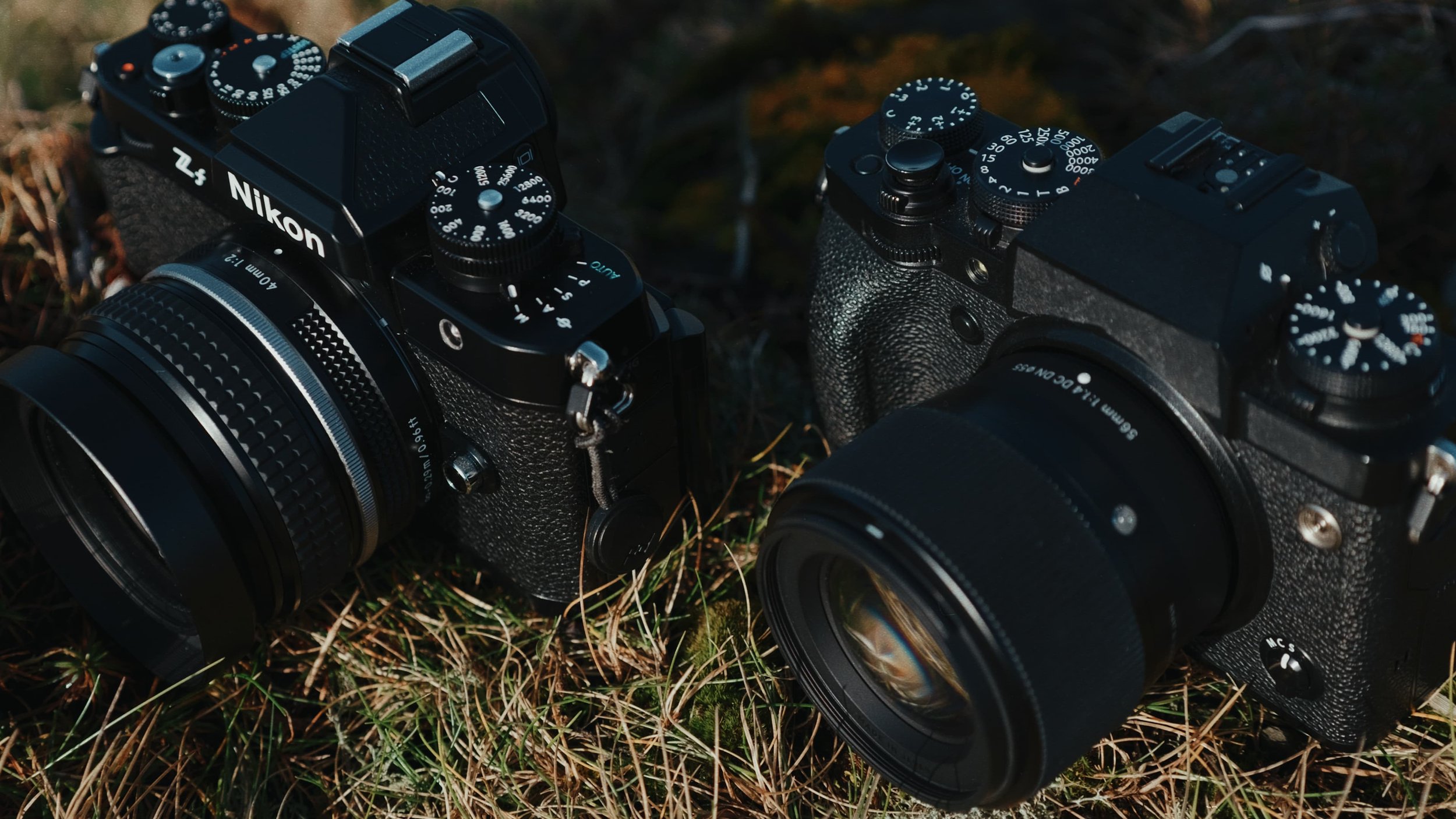
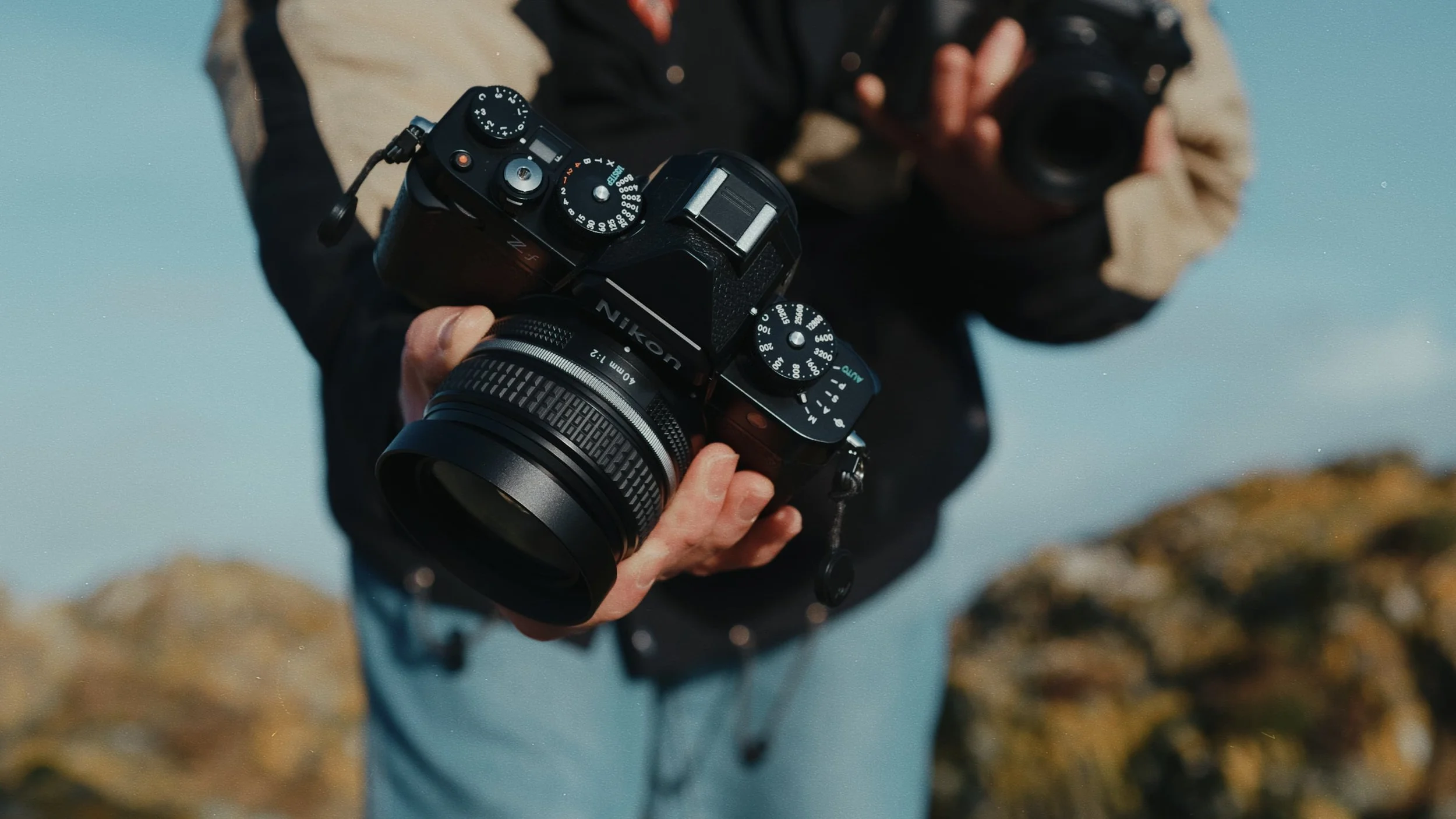
It literally looks like a bigger, beefier, stronger, smarter, sexier X-T4 and it’s kind of like his bigger borther, or maybe more accurately his more superior cousin. Here’s how the Zf answers all of my Fujifilm gripes…
Nikon’s Answer (Sensor Size)
The Nikon Zf has a 24MP full-frame sensor… simple!
Not only that, this is currently in my opinion the best digital camera to pair with vintage manual lenses due to its manual focus Subject Detection. With a vintage look to the camera paired with a classic vintage lens, you could almost trick yourself into thinking you are shooting with 35mm film.
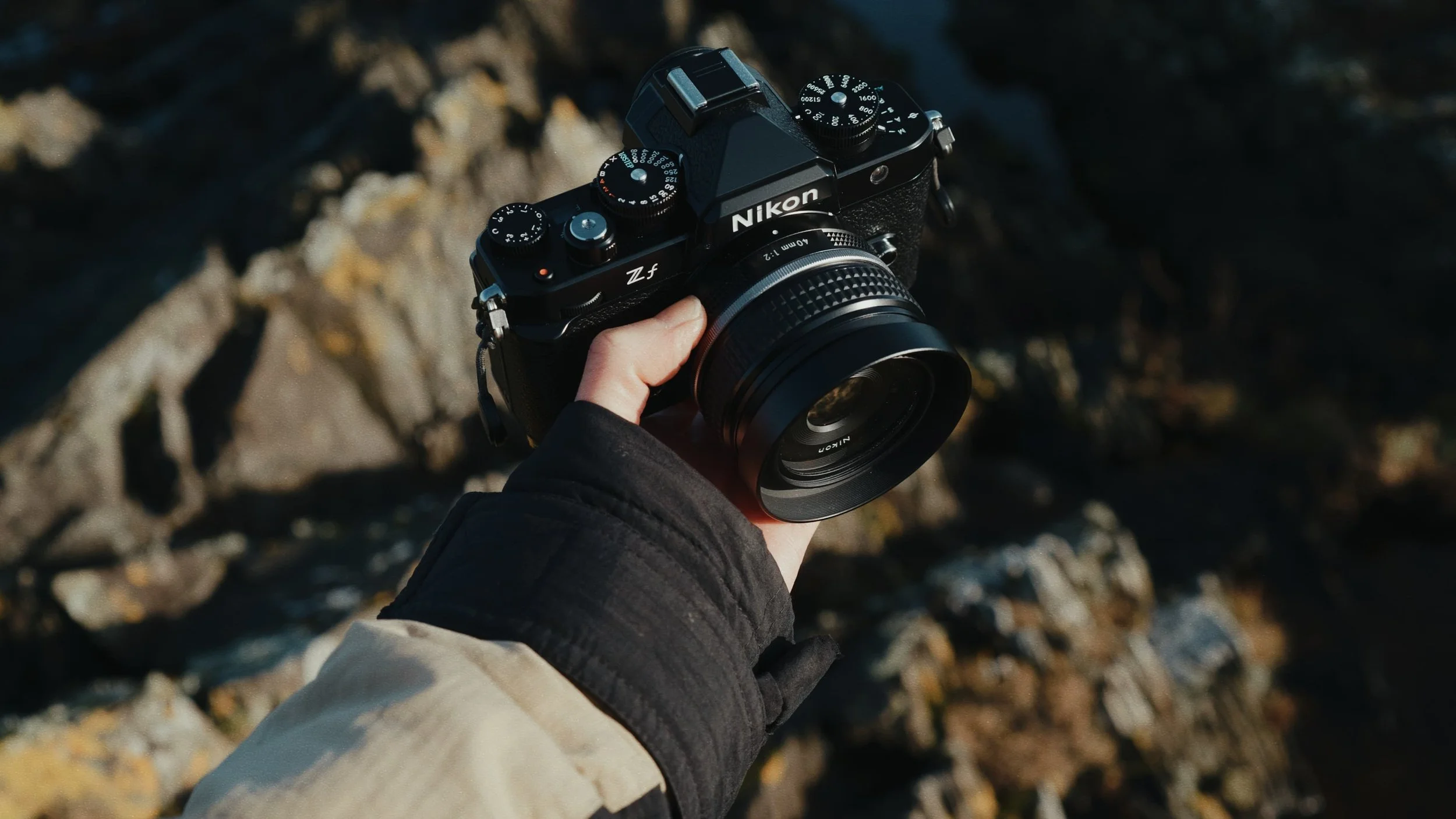
Nikon’s Answer (JPEG Restrictions)
With recent Nikon cameras you can edit a RAW image in NX Studio (Nikon’s version of Lightroom) save it as a Custom Picture Control, send it to your camera and shoot with it straight away. This is something that excites me a lot! I’ve already started designing my own Picture Controls for Nikon cameras and the options for creating looks for Nikon is pretty much endless.

It’s a very similar process to designing a LUT and loading it into your LUMIX camera, something I’m very familiar with, but with Nikon it’s maybe even easier to quickly whip up a Picture Control and get it set up instantly with your camera. There are pros and cons to both the Picture Controls with Nikon and LUTs & ‘looks’ with LUMIX but one thing is for sure, both these systems blow what’s possible with Fujifilm’s Film Simulations out of the water!
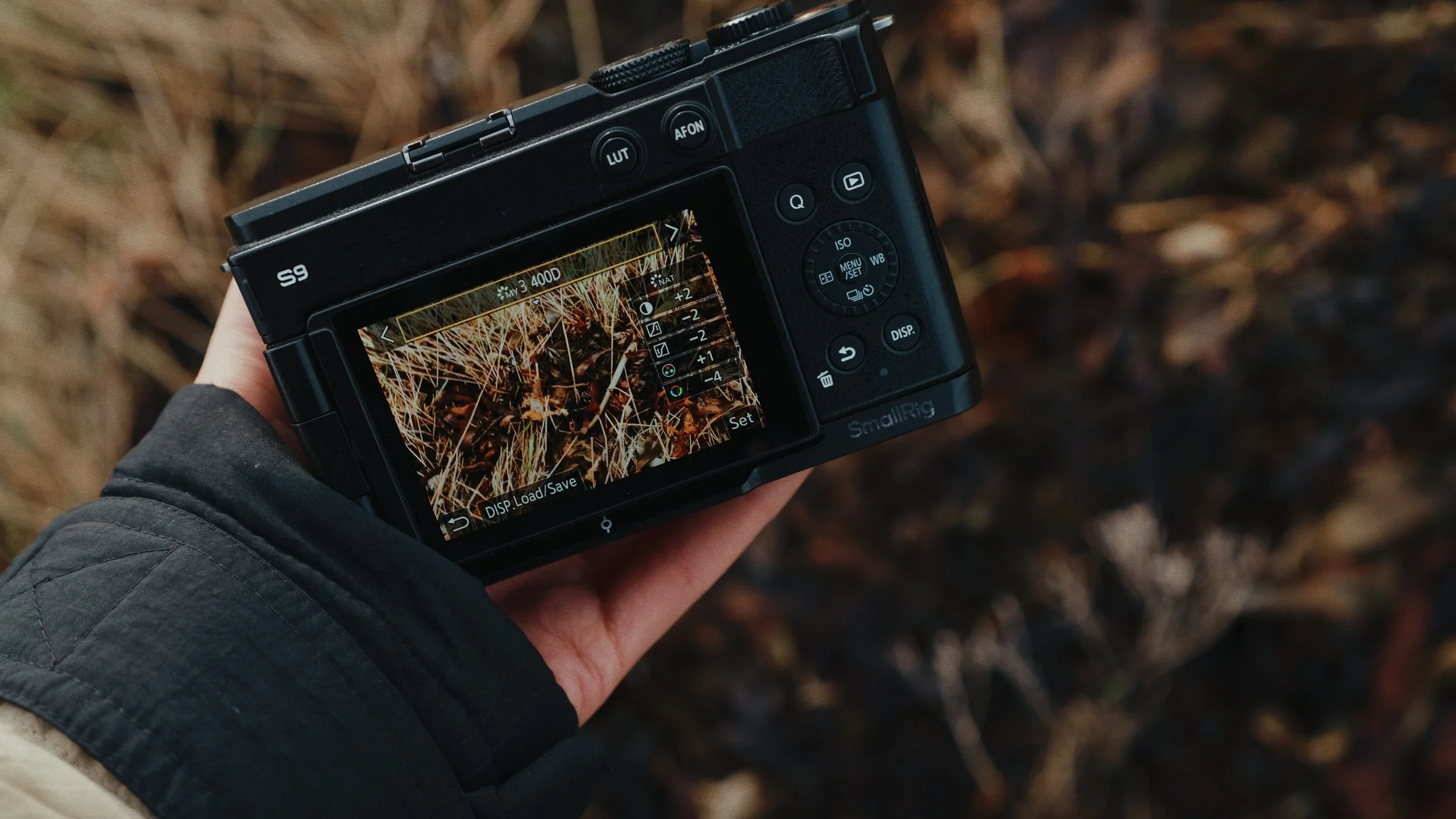
Nikon’s Answer (Clarity Processing)
LUMIX has no Clarity setting, Fujifilm does but as I said earlier, it comes with a three second processing delay
Nikon however has not only a Clarity slider, but sliders for Sharpening & Texture or (Mid-Range Sharpening) as well – all of which can be saved within a Custom Picture Control and best of all there’s absolutely no lag when shooting with any these settings.
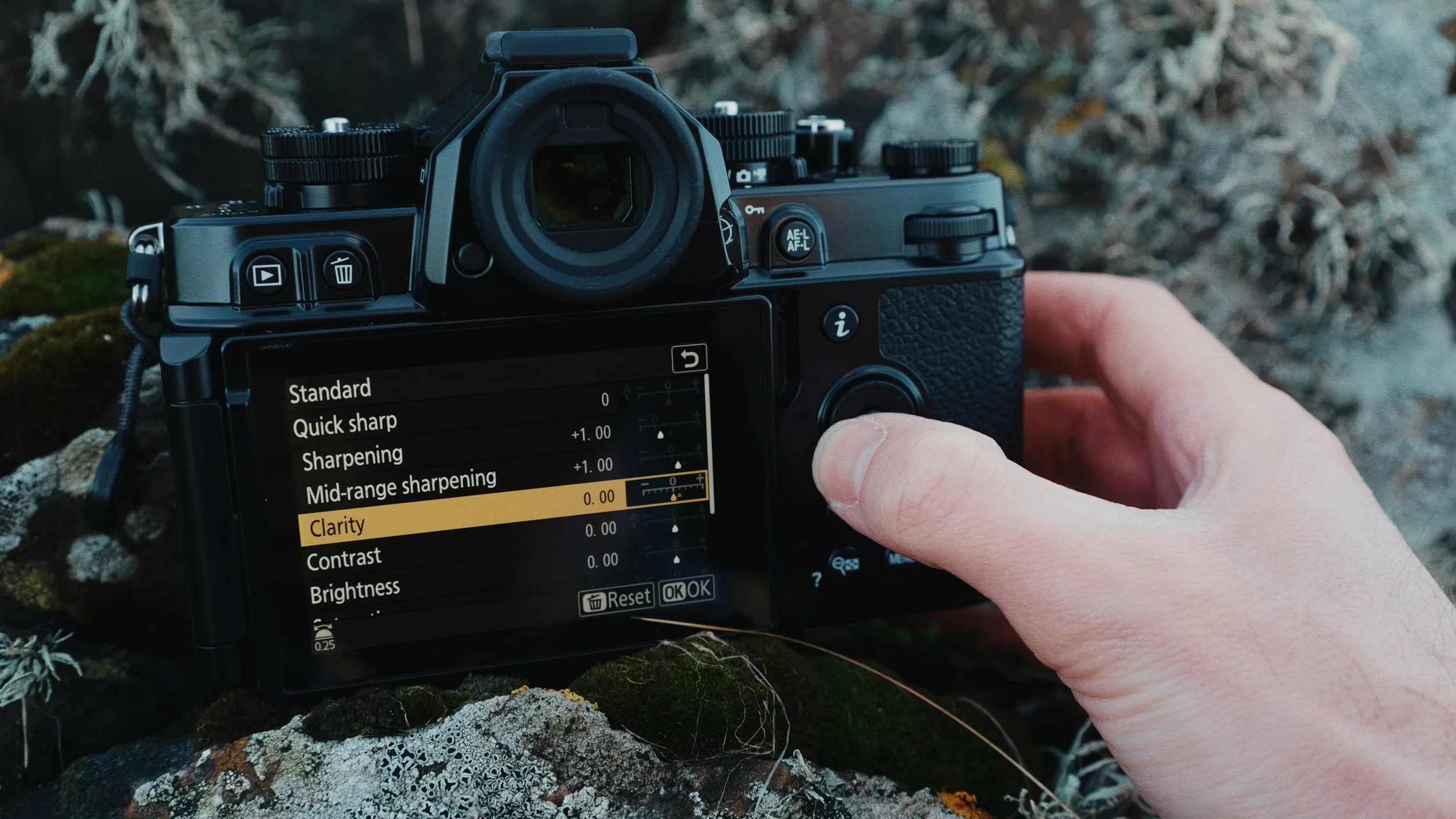
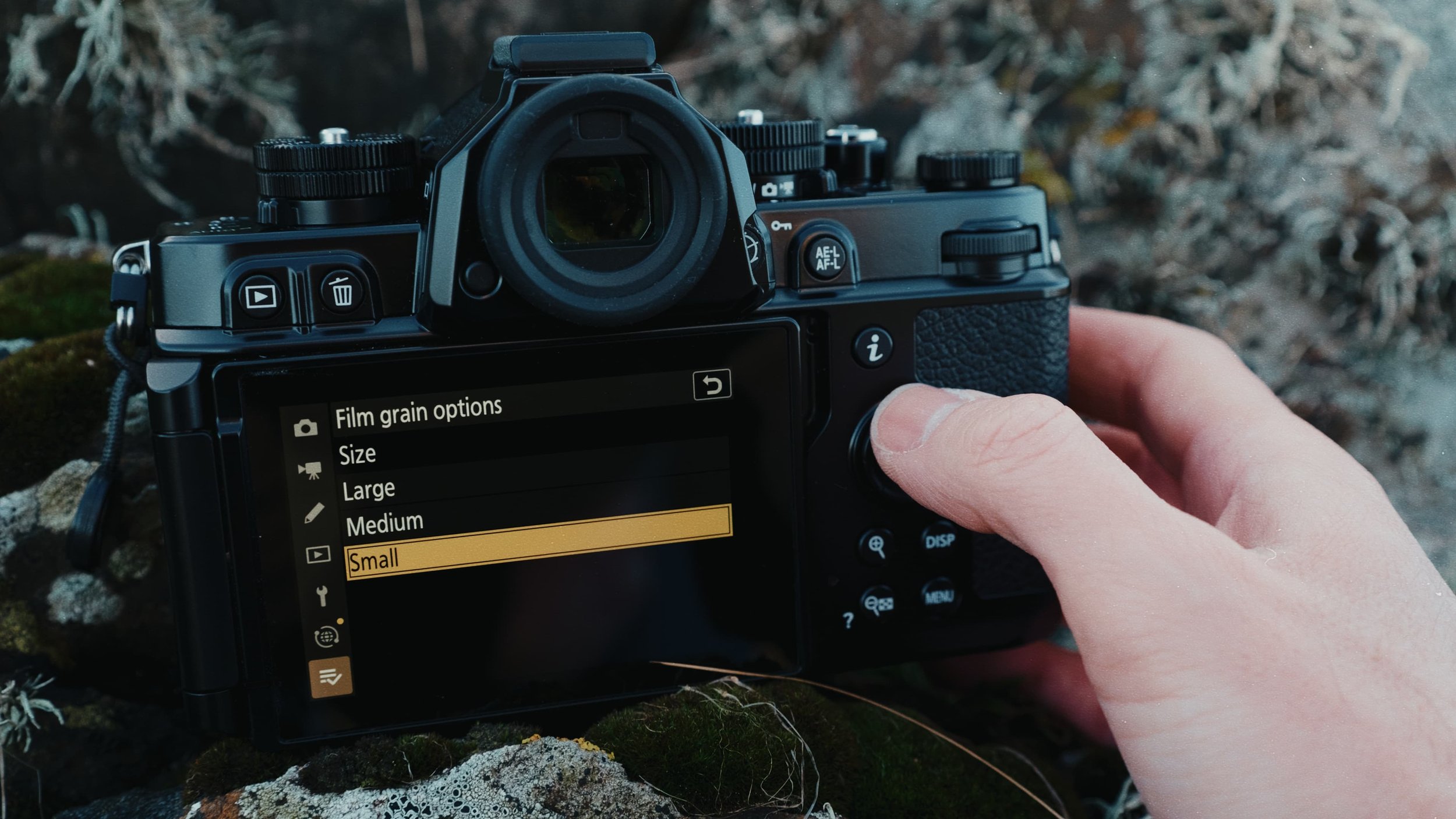
It’s also worth mentioning here that Nikon’s Film Grain options are 100% the best of the three. Inside my Zf I have the choice between 1-6 Intensity and then I can choose either Size: Small, Medium, or Large – way more options than any other system out there.
Conclusion
So there you have it, my Fujifilm is well and truly benched with the Nikon Zf taking its place.
I’m really excited to shoot straight out of camera JPEGs with this camera and share my results, and maybe some Picture Controls and Nikon Imaging Recipes along the way. Keep an eye out on my website soon for these and if you have any questions or you would like to let me know your opinions get in touch…
Enjoy this blog post? Why not drop a little something in the ‘Tip Jar’ below as a way of saying thanks! It would be massively appreciated…